Showing posts with label Preventive healthcare. Show all posts

Friday, July 4, 2025

Why Just Eating Right Is Not Enough to Stay Healthy


In today’s wellness-conscious world, we often hear that “you are what you eat.” While nutrition plays a pivotal role in health, just eating right is not enough to stay healthy. Health is not one-dimensional—it’s a multi-layered experience that involves your mind, body, emotions, environment, and habits.

In this blog, we’ll uncover why a balanced diet alone can’t guarantee long-term wellness and what more you need to integrate into your daily life for true holistic health.

🥗 1. Nutrition Is Only One Pillar of Wellness

A balanced diet filled with nutrients, fiber, and hydration is essential—but it is just one piece of the puzzle. Holistic health is about aligning all dimensions of wellness:

  • Physical

  • Mental

  • Emotional

  • Spiritual

  • Social

  • Environmental

  • Occupational

  • Financial

  • Intellectual

Neglecting any one of these can cause imbalances that even the healthiest diet can’t fix.

2. Mental and Emotional Health Impact Physical Health

Even if you eat perfectly, chronic stress, anxiety, or suppressed emotions can trigger inflammation, hormonal imbalances, and digestive issues. Cortisol (the stress hormone) affects how the body stores fat, absorbs nutrients, and maintains energy levels.

🌿 Mindful practices like meditation, journaling, and breathwork are just as important as eating greens.

3. Poor Sleep Can Cancel Out a Good Diet

You might be eating clean, but if your sleep is poor, your body can’t repair tissues, balance hormones, or detoxify efficiently. Sleep deprivation increases cravings, especially for sugar and carbs, leading to unintentional unhealthy eating—even when you “eat right.”

Prioritize 7-8 hours of deep, quality sleep every night.

4. Lack of Movement Slows Down Health Goals

Eating right but staying sedentary? Your body still suffers.

Regular physical activity:

  • Improves metabolism

  • Enhances mood

  • Supports cardiovascular and bone health

  • Reduces the risk of lifestyle disorders

Tip: Aim for at least 30 minutes of daily movement—be it yoga, walking, strength training, or dancing.

5. Environmental Toxins and Lifestyle Habits Matter

You may eat organic food, but if your environment is full of pollutants, chemicals, and stress, your body’s detox system gets overwhelmed. Similarly, excessive screen time, smoking, alcohol, and negative social media exposure also affect your overall well-being.

🔍 Holistic detox involves more than just food—it’s about cleaning your life too.

6. Spiritual & Social Wellness Are Often Ignored

Meaningful connections and a sense of purpose are nutrients for the soul. Isolation, disconnection, or a lack of self-awareness can lead to depression, anxiety, or unhealthy habits—even if your food choices are perfect.

🕊️ Nourish your inner self with meditation, prayer, gratitude, and positive relationships.

What You Should Focus On (Beyond Just Eating Right)

Here’s a holistic checklist for well-being:

🔹 Eat balanced, seasonal, and mindful meals
🔹 Stay physically active daily
🔹 Sleep 7-8 hours regularly
🔹 Practice stress management techniques
🔹 Cultivate positive relationships
🔹 Limit screen time and tech overload
🔹 Engage in personal growth and hobbies
🔹 Create a toxin-free home and work space

Your health is the sum total of your daily choices, thoughts, emotions, environment, and habits—not just your diet. A healthy lifestyle is a conscious integration of body, mind, and soul practices. So, if you’ve been eating right but still not feeling your best, it’s time to expand your wellness vision.

🌐 Want to embrace holistic health?

Explore customized wellness plans at www.draneetaverma.com – where food, fitness, emotional healing, and spiritual alignment come together for complete well-being.

Tuesday, June 24, 2025

“Calcium Supplements: Pharma Politics or Real Need? Discover the Truth Behind the Hype”

Are calcium supplements really necessary for everyone, or are they just another example of pharma-driven marketing? While calcium is crucial for bone health, blindly popping supplements might do more harm than good. In this article, we unravel the truth behind calcium supplementation, its side effects when taken in excess, and why a balanced diet is often more than enough to meet your body’s calcium needs.

What Is Calcium and Why Is It Important?

Calcium is the most abundant mineral in the human body, vital for:

  • Building and maintaining strong bones and teeth

  • Muscle function and nerve signaling

  • Blood clotting

  • Heart rhythm regulation

But how much do you really need?

The Recommended Dietary Allowance (RDA) for most adults is 1,000–1,200 mg per day—easily achievable with a healthy diet.

Pharma Politics Behind Calcium Supplements

The global calcium supplement market is projected to reach billions of dollars annually. Many pharmaceutical companies aggressively promote calcium tablets, chews, and powders as a must-have for bone health—especially to women and the elderly.

But here’s the catch: Scientific studies increasingly question the benefits of routine supplementation for people without specific deficiencies. In fact, overuse may pose serious health risks.

Real-Life Example: When Supplements Do More Harm

Rita, a 45-year-old health-conscious woman, started taking 1,200 mg of calcium supplements daily—despite already consuming a calcium-rich diet (milk, almonds, greens). Within a few months, she began experiencing:

  • Muscle cramps in her calves

  • Fatigue

  • Frequent urination

A blood test revealed hypercalcemia (high blood calcium levels)—a condition that can lead to kidney stones, heart rhythm issues, and bone demineralization. She discontinued the supplements and returned to a food-first approach, under medical supervision.

Side Effects of Calcium Overdose

Excess calcium intake—especially through supplements—can lead to:

  • Hypercalcemia

  • Kidney stones

  • Constipation and bloating

  • Calf muscle cramps

  • Impaired absorption of other minerals like iron, zinc, and magnesium

  • Increased risk of cardiovascular issues (according to some studies)

Do You Really Need Calcium Supplements?

Only certain individuals may need supplementation, such as:

  • Postmenopausal women at risk of osteoporosis

  • People with diagnosed calcium or vitamin D deficiency

  • Individuals with medical conditions affecting absorption (e.g., celiac disease)

Most healthy individuals don’t need calcium pills. Here's how you can meet your calcium needs naturally:

Top Natural Sources of Calcium

  • Dairy: Milk, yogurt, cheese

  • Leafy greens: Kale, spinach, collard greens

  • Seeds: Chia, sesame, poppy

  • Nuts: Almonds

  • Legumes: Soybeans, lentils

  • Fortified foods: Plant milks, cereals, tofu

  • Fruits: Oranges, figs

Tip: Combine calcium-rich foods with vitamin D and magnesium sources to boost absorption.

Food Over Pharma

Before you reach for a supplement, ask yourself: Am I really deficient—or am I falling for a cleverly marketed solution?

Calcium supplements aren’t inherently bad—but they’re not always necessary. A food-first approach, supported by healthy lifestyle habits, is often the safest and most effective way to maintain bone health without risking overdose or side effects.

Saturday, May 31, 2025

Diabetes: More of a Modern Disorder than a Disease — A Food Conspiracy We Must Uncover


By Dr. Aneeta Verma | Holistic Healthcare Consultant | India 

Diabetes, once considered a genetic or age-related disorder, is now emerging as a lifestyle-driven epidemic. In the heartlands of Haryana and across India, this metabolic condition is no longer confined to the elderly—young professionals, housewives, teenagers, and even children are increasingly falling prey. But is this just a medical issue? Or is diabetes a modern lifestyle disorder intricately linked to a hidden food conspiracy?

Let’s dive deeper into the truth behind diabetes, processed food, and modern living.

🧬 What Really Causes Diabetes Today?

Diabetes mellitus, especially Type 2 diabetes, is largely preventable. It is caused by insulin resistance—a condition where your body's cells stop responding to insulin, leading to increased blood sugar levels. But why does this happen?

Here are some real culprits:

  • High-sugar, high-carb diets

  • Frequent snacking on ultra-processed foods

  • Sedentary lifestyle

  • High stress and poor sleep

  • Gut microbiome imbalance

  • Environmental toxins & EMFs

In my 15+ years of clinical practice in Narnaul, I’ve observed that diabetes often begins not in the pancreas, but in the kitchen.

🥫 The Great Food Conspiracy

Modern food systems are flooded with hidden sugars, artificial sweeteners, refined oils, and preservatives that disturb our hormonal balance. Big food corporations market so-called "healthy" options like low-fat snacks, diet colas, and packaged cereals—when in reality, they are nothing but blood sugar bombs.

Hidden Conspiracies You Should Know:

  • High Fructose Corn Syrup (HFCS): Found in cold drinks and sauces—linked to fatty liver and insulin resistance.

  • Refined flours & synthetic oils: Present in almost every packet food item; they increase inflammation.

  • Addiction marketing: Foods are engineered to make you crave more—triggering binge eating and sugar addiction.

This is not just a health issue; it’s a systemic food conspiracy rooted in profit over people’s well-being.

🧘‍♀️ Holistic View: Why Diabetes is More of a Modern Disorder

From an Ayurvedic and holistic standpoint, diabetes is not merely a 'blood sugar' issue. It is an imbalance of the three doshas—especially Kapha and Vata, along with mental and emotional stress (Manas Doshas).

Key Observations from My Holistic Practice:

  • People with emotional suppression and overthinking tendencies are more prone to diabetes.

  • Erratic eating times disturb Agni (digestive fire), contributing to metabolic diseases.

  • Lack of spiritual practices or mindfulness increases stress, which spikes cortisol—worsening insulin resistance.

What Can You Do? Practical Holistic Steps

Whether you are diabetic or pre-diabetic, you can reverse or manage diabetes holistically. Here’s how:

🌿 1. Switch to Real Food:

  • Include whole grains like millets, amaranth, and brown rice.

  • Eat local, seasonal fruits in moderation.

  • Use healthy fats like ghee, coconut oil, and mustard oil.

🧘 2. Follow the Circadian Rhythm:

  • Eat meals during daylight hours.

  • Avoid late-night dinners and irregular eating patterns.

🧠 3. Mental Detox:

  • Practice pranayama (like Anulom Vilom) and meditation daily.

  • Engage in creative hobbies to reduce stress.

💪 4. Move Your Body Mindfully:

  • Incorporate yoga and 30 minutes of walking.

  • Therapeutic yoga works wonders for insulin sensitivity.

💊 5. Use Ayurvedic Herbs Wisely:

  • Herbs like Gudmar, Fenugreek, Jamun seed powder, and Neem support sugar control naturally.

📌Don’t Be a Victim of the Modern Food Trap

Diabetes is not just a disease—it is the result of modern food habits, industrial influences, and disconnection from nature and self. It’s time we step back, question what we consume, and re-align with traditional, wholesome living.

At 9nax Healthy Healing Pvt. Ltd. and EvaPhysioCare Trust, we focus on educating people through preventive, promotive, and therapeutic wellness systems. You deserve to live a life free from medication dependency and full of vibrant health.

📞 Book Your Holistic Diabetes Consultation Today

If you're struggling with diabetes, insulin resistance, or sugar cravings, I can help you with a personalized diet, yoga plan, lifestyle coaching, and emotional healing protocols.

 consult online
🌐 www.draneetaverma.com

Monday, April 14, 2025

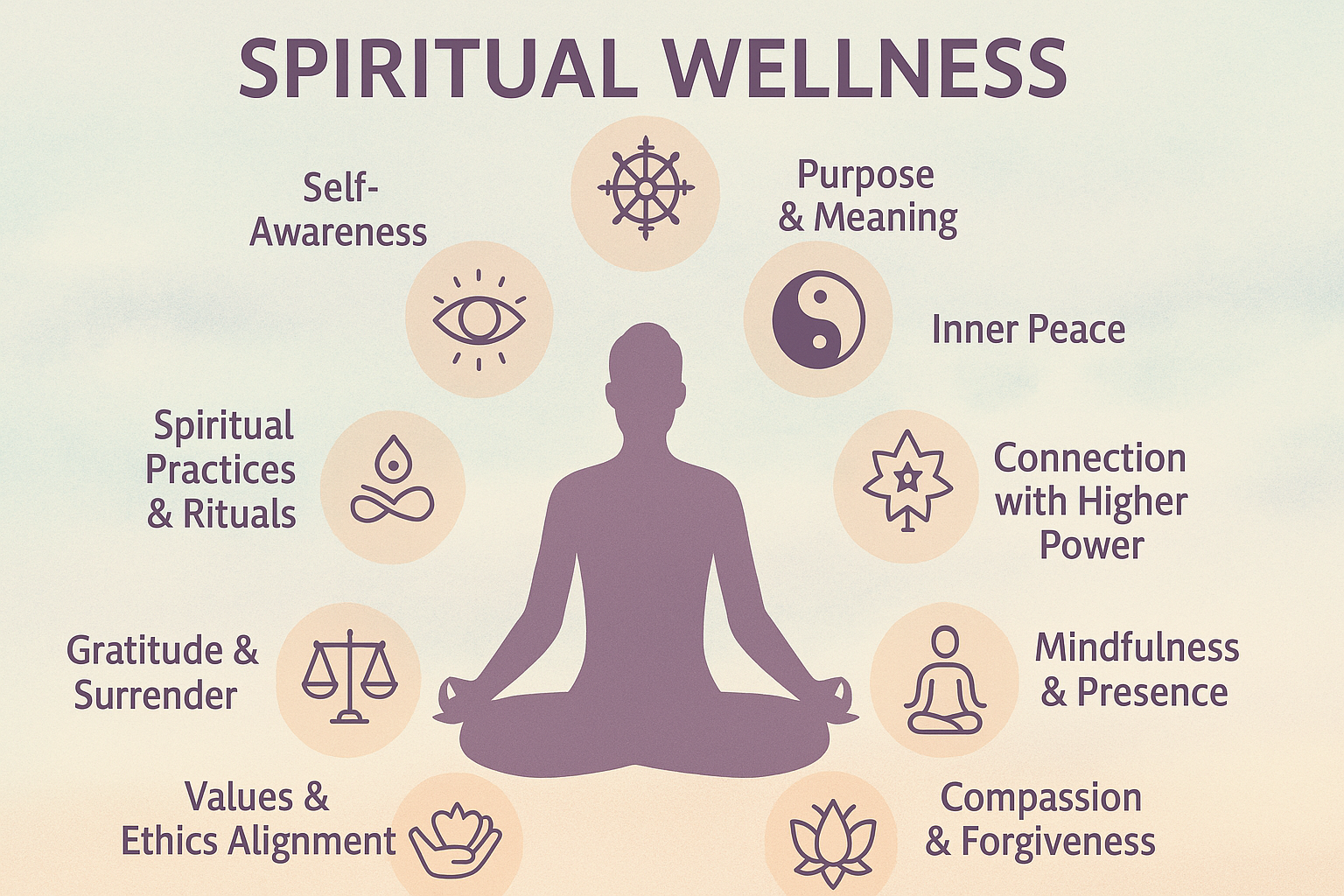
Unlocking Spiritual Wellness: The 9 Sub-Dimensions That Nurture Your Soul

Discover the 9 sub-dimensions of spiritual wellness and how they contribute to a balanced, fulfilling life. Elevate your inner peace and purpose through holistic practices.

What Is Spiritual Wellness?

Spiritual wellness is the foundation of our connection to purpose, inner peace, and a higher power or meaning in life. It transcends religion and touches every part of our existence, including our thoughts, actions, and emotions. In the fast-paced modern world, prioritizing spiritual well-being is essential for living a centered, meaningful life.

At its core, spiritual wellness is not about dogma but about awareness, alignment, and authenticity—living in harmony with one’s inner truth and values.


Why Spiritual Wellness Matters

Spiritual wellness provides:

  • Clarity during chaos

  • Resilience through challenges

  • Purpose in your pursuits

  • A deeper sense of fulfillment

When your spiritual dimension is thriving, it enhances every other area of your life—emotional, mental, and even physical health.


The 9 Sub-Dimensions of Spiritual Wellness

These nine elements support and enrich your spiritual wellness journey:


1. Self-Awareness

The practice of observing your thoughts, emotions, and behaviors without judgment.
Tips: Journaling, mindfulness, silent observation.


2. Purpose & Meaning

Living in alignment with your deeper goals and values.
Tips: Define your "why", set soulful goals.


3. Inner Peace

A calm and grounded state of being, regardless of outer circumstances.
Tips: Pranayama, meditation, digital detox.


4. Connection with Higher Self or Higher Power

Recognizing that you are part of something greater—be it God, the Universe, or Consciousness.
Tips: Prayer, sacred rituals, spending time in nature.


5. Mindfulness & Presence

The art of being fully here, now—engaged with life as it unfolds.
Tips: Breathwork, mindful eating, gratitude walks.


6. Compassion & Forgiveness

Letting go of grudges and approaching life with love and understanding.
Tips: Heart-opening meditations, Ho’oponopono practice.


7. Values & Ethics Alignment

Acting in accordance with your beliefs and moral compass.
Tips: Value-based decision-making, regular self-check-ins.


8. Gratitude & Surrender

Appreciating life’s blessings and releasing what you can’t control.
Tips: Daily gratitude journaling, surrender affirmations.


9. Spiritual Practices & Rituals

Consistent, intentional actions that nourish your soul.
Tips: Yoga, chanting, full moon rituals, spiritual readings.


Embark on Your Spiritual Wellness Journey

Whether you’re seeking balance, healing, or a deeper connection to yourself and the world, nurturing spiritual wellness is key. Start with small shifts—meditate, reflect, breathe. Over time, these practices will lead you to greater harmony, clarity, and joy.


Sunday, April 13, 2025

The Ketogenic Diet: A Powerful Tool for Neurological Disorders


The ketogenic diet (KD), a high-fat, low-carbohydrate, and moderate-protein nutritional approach, has long been recognized for its profound effects on brain health. Originally developed in the 1920s as a treatment for epilepsy, the diet has now gained attention for its potential benefits in a range of neurological disorders, including Alzheimer's disease, Parkinson's disease, multiple sclerosis (MS), autism spectrum disorder (ASD), and even migraine and traumatic brain injury.

How It Works: The Brain on Ketones

Under normal dietary conditions, the brain primarily uses glucose for fuel. However, during ketosis—triggered by a ketogenic diet—the body begins producing ketone bodies (β-hydroxybutyrate, acetoacetate), which cross the blood-brain barrier and provide an alternative, efficient energy source for neurons.

Ketones have been shown to:

  • Enhance mitochondrial function and energy metabolism
  • Reduce oxidative stress and inflammation
  • Stabilize neurotransmitter balance, especially GABA and glutamate
  • Improve synaptic plasticity and brain signaling

Scientific Evidence by Condition

Epilepsy:
KD is a clinically proven therapy for drug-resistant epilepsy, especially in children. Studies show a 50–90% reduction in seizures among compliant patients.

Alzheimer’s Disease:
Early research suggests ketones may bypass insulin resistance in the brain (often referred to as "type 3 diabetes") and provide neuroprotection. A 2019 study published in Frontiers in Aging Neuroscience reported improved memory performance in patients on a ketogenic intervention.

Parkinson’s Disease:
A small clinical trial (Phillips et al., 2018) demonstrated motor and non-motor symptom improvement in PD patients following a ketogenic diet compared to a low-fat diet.

Multiple Sclerosis (MS):
Emerging evidence shows KD can reduce inflammatory markers and improve fatigue and quality of life in MS patients. A 2022 study in Cell Reports revealed KD altered gut microbiota beneficially, reducing autoimmune responses.

Autism Spectrum Disorder (ASD):
Animal studies and limited human trials suggest KD may reduce ASD-related behaviors by balancing neurotransmitters and reducing neuroinflammation.

Precautions & Considerations

While promising, the ketogenic diet isn't for everyone. It must be medically supervised, especially for individuals with liver, kidney, or pancreatic conditions. Long-term adherence may also affect lipid levels and nutrient balance, so periodic monitoring is essential.

The ketogenic diet offers neuroprotective, anti-inflammatory, and metabolic benefits that are deeply relevant to neurological disorders. While more large-scale human trials are needed, current evidence is compelling enough to consider KD a powerful complementary intervention in neurotherapy—with expert guidance.

Thursday, April 20, 2023

Build 5 healthy habits to stay active the whole day

Staying active throughout the day can be a challenge. Without an organised plan, it’s easy to become sedentary and allow our bodies to become stagnant. To keep your body and mind active, here are five healthy habits you can start implementing today.

1. Take a Walk: Taking a walk is one of the simplest and most effective ways to stay active throughout the day. Walking promotes physical activity and can help you burn calories, reduce stress, and improve your overall health. Taking a walk for even a few minutes a day can make a big difference in your energy levels and mood.

2. Get Enough Sleep: Adequate sleep is essential for staying healthy and active. Not getting enough sleep can lead to fatigue, which can make it difficult to stay active throughout the day. Aim to get at least seven to eight hours of sleep each night.

3. Eat Healthy Snacks: Eating healthy snacks throughout the day can give you energy and help you stay active. Choose snacks that are high in protein and fibre, such as nuts, seeds, and yogurt. These types of snacks will provide you with sustained energy and keep you feeling full and energised.

4. Drink Plenty of Water: Staying hydrated is essential for staying active. When you’re dehydrated, your body is less likely to perform at its best. Make sure to drink plenty of water throughout the day to keep your body functioning properly.

5. Exercise Regularly: Regular exercise is key for staying active throughout the day. Try to find activities that you enjoy and that fit into your schedule. Even doing something as simple as taking a walk or doing some yoga can make a big difference in your energy levels and overall well-being.

By implementing these five healthy habits, you can stay active and energised throughout the day. With a little effort and dedication, you can make a big difference in your physical and mental well-being.


Why Just Eating Right Is Not Enough to Stay Healthy

In today’s wellness-conscious world, we often hear that “you are what you eat.” While nutrition plays a pivotal role in health, just eating ...